
My Child Doesn’t Speak German: is Swiss Public School an Option?

For many international families moving to Basel, one question comes up almost immediately: can my child attend Swiss public school if they don’t speak German? The short answer is yes!
Children do not need to arrive in Switzerland already speaking German to enter the public-school system. In both Basel-Stadt and Basel-Land, support is available for children who speak little or no German. But whether the local public-school route is the right choice for your child can depend on several factors, including their age, previous schooling, personality and how long you expect to remain in Switzerland. Read on to understand different factors, considerations and alternative options.

Why Consider Learning German?
Learning German can be one of the most valuable parts of growing up in Switzerland. It allows children to build friendships beyond the international community, participate more confidently in local sports clubs and activities, and feel genuinely connected to the place they live. It also keeps future educational options open.
A family may arrive expecting to stay for two or three years and ultimately remain much longer, at which point German can make a transition into Swiss public school or another local educational pathway considerably easier. For children already in the public system, stronger German also means being better able to demonstrate their true academic ability as the language demands of the curriculum increase. German is about much more than succeeding in the classroom. It gives children greater independence, a stronger sense of belonging and more choices if Switzerland becomes home.
A Word About the Swiss Public School System
Switzerland has a strong and well-regarded public education system chosen by 94% of the population. For many international families, local school can be an excellent choice. It can, however, feel unfamiliar at first. From cantonal differences and secondary-school pathways to expectations around independence, communication and school culture, there is plenty for newcomers to get their heads around. Here are some other articles from You Belong In Basel: The Swiss Public School Explained and Swiss Schooling Culture: An Expat Guide which are useful starting points if you are new to the system.
Will My Child Learn Swiss German or German in School?

This question comes up a lot: lessons are taught in Standard German (Hochdeutsch/Schriftdeutsch). Swiss German (Schweizerdeutsch) is a spoken language, not a formal written language, and it is used socially and on the playground. Students learn the differences quickly and many understand Swiss German but do not speak it. In Kindergarten, Swiss German is often the language used by teachers.
How Does German-language Support Work?
In Basel-Stadt and Basel-Land, children and teenagers with little or no German receive Deutsch als Zweitsprache (DaZ), or German as a Second Language, and this support is available across age groups and school levels. DaZ does not necessarily mean sending a child to a separate 'German class.' Depending on their age, German level and where they live, support can take several forms:
remaining in the regular class and receiving additional German support;
being pulled out for individual or small-group DaZ lessons:
attending more intensive beginner German lessons;
temporarily attending intensive German provision at another school or location;
joining a dedicated integration class before moving into the regular class; or
receiving longer-term support while continuing in the regular classroom.
The precise model is not identical everywhere and can be up to the teachers to decide. It depends on the canton, municipality, school, age of the child and their existing German and educational background. You can reach out to your local municipality to learn more. At FIND MY SWISS SCHOOL, we can also provide insight on how this works in different areas and districts. Here are cantonal links for your reference: DaZ support: Basel Stadt, & DaZ support: Basel Land.
Will My Child Feel Lost?

Most likely at first, but don’t panic. Children entering a classroom where they understand very little of what is being said can understandably find the first weeks or months challenging. They are simultaneously learning a new language, adapting to a new school, making friends and often adjusting to a new country. Teachers are used to helping students build bridges, make friends and integrate as quickly as possible. You will be surprised how international Swiss public school classrooms can be, as a result many students have had similar experiences and are accommodating as a result.
The Younger the Better
In general, the rule of thumb is that the younger a student is, the easier it is for them to learn a new language. Young brains have high neuroplasticity (an open "critical period" from birth to the early teens) and an unconscious ability to absorb sound maps and grammar rules naturally.
Does Age Matter? Tips for Teenagers!
Age does matter, but it is still possible to learn German and successfully complete Swiss public school and even earn the Swiss Matura Diploma. At FIND MY SWISS SCHOOL, we have helped many teens with little to no German enter into public school very successfully (if you need our help, please drop us a line). Please also check out our blog post for more tips: Moving to Switzerland with a Teenager, What You Need to Know.
In this instance we look at the attitude of the teen and the family, openness to learning a new language, if the student already speaks other languages, long-term education goals, and we build a strategic plan with each family that can include private tutoring and intensive language classes to get them up to speed in German as quickly as possible. We prefer to work with tutors that know the Swiss curriculum, and ensuring the student feels supported socially and emotionally. There will be ups and downs, but there are ways to manage this successfully.
Individual Learning Goals
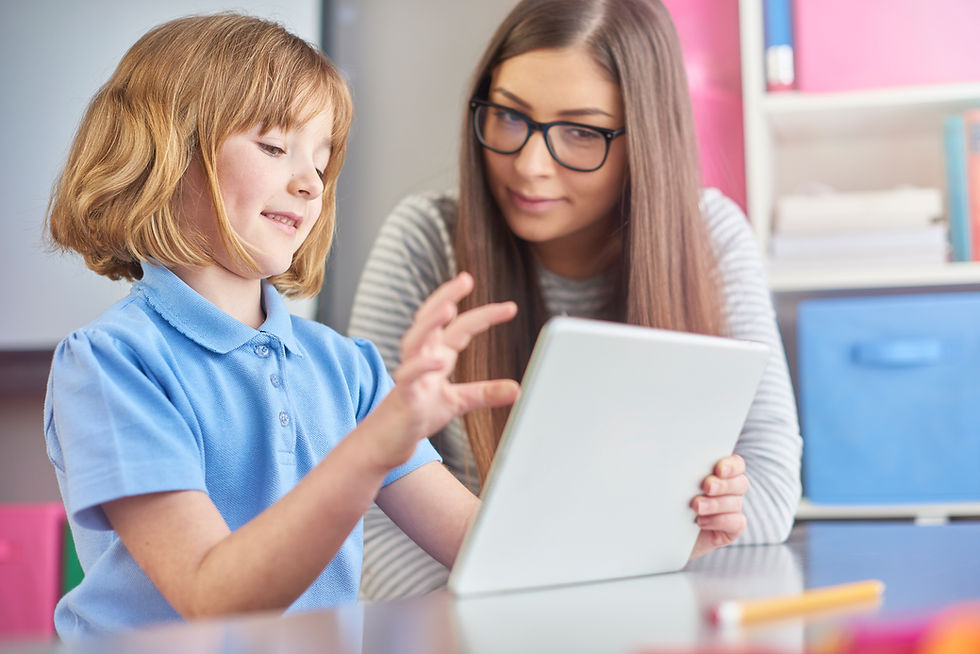
For children who arrive with little or no German, schools recognize that it may not initially be fair or meaningful to assess their academic performance in exactly the same way as a fluent German-speaking classmate. Depending on the canton, school and individual child, teachers may therefore adapt the assessment process while the student develops the language skills needed to access the curriculum. This can include working towards agreed individual learning goals (individuelle Lernziele), with progress assessed against those goals rather than solely against the standard expectations of the class.
In some circumstances, a regular grade in a particular subject may not yet be given if insufficient German makes a meaningful assessment impossible. The aim is not to lower expectations indefinitely, but to give newly arrived students time to build their German while allowing teachers to recognize and document the academic progress they are actually making. As their language skills develop, students increasingly move towards the regular learning objectives and assessment system.
HSK Programs (Heimatliche Sprache und Kultur)
As a great resource, did you know there are amazing programs offered in Basel-Stadt and Basel-Land that promote maintaining your mother-tongue language? HSK lessons are a recognized school offer and there are approximately 40 different native language programs in the Basel area. These are organized by consulates, embassies, and private organizations. There is a cost involved and these can vary.
Public or Private School Pathways
For some families, public school is the only option as private schools can cost upwards of CHF30,000 a year. But if you are curious about private school offers, here is an overview of options:
German private schools: there are several private schools that offer the Swiss curriculum, Lehrplan 21. These schools also provide DaZ German support programs and can offer even more German booster classes, usually at additional cost.
Bilingual schools: there are many strong bilingual offers in the Basel area offering English/German, Italian/German or French/German pathways for a softer landing strategy. These schools align with the Swiss curriculum (Lehrplan 21) and students will be able to transfer into public school if desired. The only thing to keep in mind is in Basel Land there may be an entry exam for Swiss public school for the secondary school years.
International schools: if German-learning is truly not for your family, don’t worry. There are several international schools in both cantons as well as across the border in Germany (Black Forest Academy). These schools offer monolingual English pathways. Several of these schools also offer a bilingual pathway in the early and primary years, and a monolingual English curriculum in the secondary school years (the International Baccalaureate, or IGCSE’s and A-Levels).
Cantonal List of Private School Offers
The Good News

There is a way to support kids of all ages to learn German and successfully integrate into public school. At FIND MY SWISS SCHOOL we always recommend keeping schooling pathways open and German is the key to this. For example, German acquisition opens up Swiss University pathways (which are top notch), and in the end, having a bi- or even trilingual child is giving them a gift for life.
A Few Tips
Here is a blog post we wrote about Language Learning Resources for kids moving to Switzerland. There are a variety of courses, classes, summer camps, intensive classes for kids, private tutors and support from the public schools to help your child succeed. There are many online resources such as EVULPO (an online learning platform that aligns with the Swiss Curriculum), and after school care and lunch programs (Tagesstrukturen) are a great way for kids to make friends and have fun in German. And our final tip: it can’t be work, work, work all the time! Joining a local sports club or hobby group is another great way to learn the language in a positive way.
What We Tell Families
One of the things we have learned from working with families and visiting schools across Switzerland is that there is rarely one 'best' school or one pathway that works for every child. Not speaking German today does not necessarily mean ruling out Swiss public school tomorrow. Age, academics, personality, language ability, future plans and how long Switzerland might be home all matter. Our advice is to keep an open mind, understand the options and choose the pathway that gives your child the best opportunity to thrive.
FIND MY SWISS SCHOOL

FIND MY SWISS SCHOOL is an independent education consultancy founded by Sandra Hueskes and Pascale Baumgartner. We help families navigate public, private, bilingual, international and boarding-school options across Switzerland, combining first-hand school visits with local knowledge, accredited expertise and curricula insight. Our focus is not simply on finding a school, but on helping families understand the choices available and find the educational pathway that is right for their child.
Website: https://findmyswissschool.ch/
Instagram: @findmyswissschool
Sandra Hueskes

Co-Founder of FIND MY SWISS SCHOOL
Sandra moved to Basel with her Swiss husband in 2019 from a high-level career in NYC. Sandra grew up all over and has experience changing schools, different curricula and moving. With two boys in Swiss school, Sandra co-founded FIND MY SWISS SCHOOL to offer the support she wished she had.
Pascale Baumgartner

Co-Founder of FIND MY SWISS SCHOOL
Pascale is Swiss with a background as a tax and estate planning lawyer. She served for years on the boards of different schools and organizations, and is currently Board Chair for Foundations for Learning. With a son in Swiss University, Pascale believes deeply in supporting children to fulfill their potential.


Comments