
Keeping Basel Clean: Littering
Generally Basel is a clean city, but in certain places this is not always true. Littering along the Rhein and near SBB station has become increasingly problematic and that is why Aktion Pinguin is doing something about it. Read more to find out how you can help.
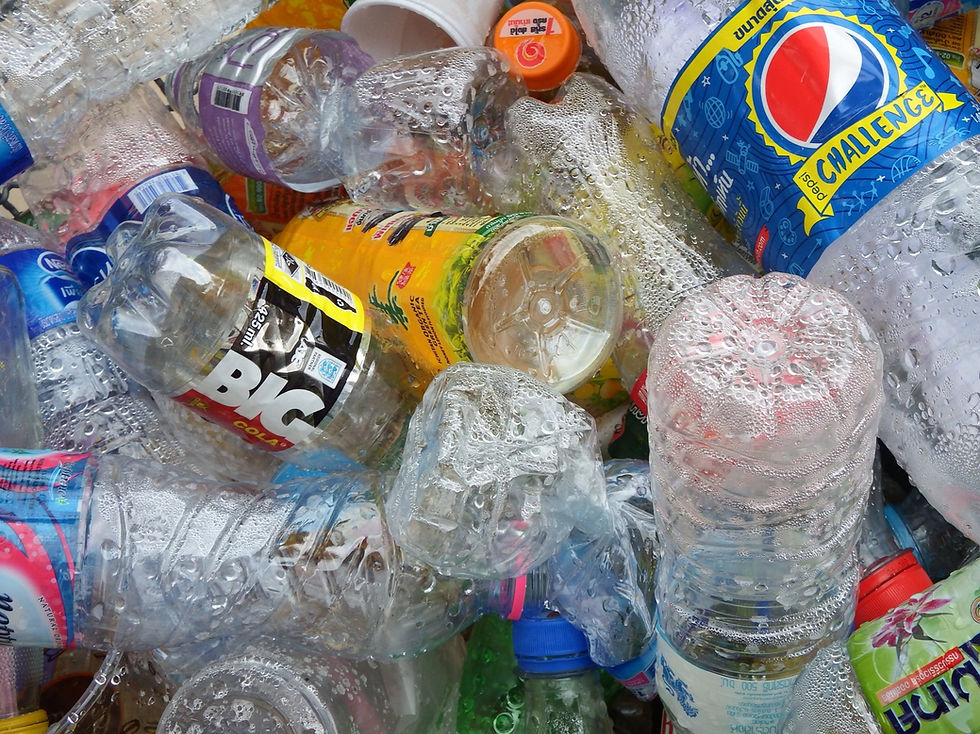
Littering in Basel
We understand littering to be the bad habit of carelessly discarding or leaving waste in public spaces. The illegal disposal of waste from households, industry, or businesses to avoid fees is a completely different issue. Studies show that 90 percent of people find littering bothersome (Basler Zeitung survey, 2015).
The reasons for littering are usually convenience, carelessness or lack of awareness, which is why there are problematic places where a lot of trash accumulates:
At train stations, due to the high frequency and anonymity
Standing at the bus stop, out of convenience and boredom while waiting
At meeting points and consumption locations such as riverbanks, parks or park benches
In places where alcohol and drugs are consumed, such as parks, secluded spots or train station areas, where inhibitions and awareness decrease
Transitional situations and a lack of infrastructure, e.g., waste bins at construction sites
Wherever there's litter, more quickly accumulates. A heavily polluted place attracts up to 30% more litter than a clean one. This is also known as the 'Broken Windows Theory'. Conversely, a clean place acts as an invitation to keep it clean. The faster litter disappears, the better.
What damage does littering cause?
Littering causes immense damage. Around 80% of marine litter originates on land (source: IWF), often carried by rivers like the Rhein in Basel. The Rhein contains up to 200 plastic particles per cubic meter of water (source: Frauenhofer UMSICHT 2015).
The WWF estimates that 80 to 150 million tons of plastic are floating in our oceans. Single-use plastics are responsible for 60 to 95% of global plastic pollution. The biggest problem is that plastic doesn't decompose, and even the smallest amounts can be dangerous for animals.

Cigarette butts are among the worst environmental offenders; a single butt can pollute up to 1,000 litres of water (source: WHO). According to the World Health Organization, 4.5 trillion cigarette butts end up on streets, beaches and in waterways worldwide every year. In the spring of 2025, volunteers collected over half a million cigarette butts in Switzerland over the course of two weeks as part of the Stop2drop campaign.
In Switzerland, littering costs around 200 million Swiss francs annually for cleaning, disposal, and prevention (source: IG saubere Umwelt). In Basel alone, over 8,000 tons of waste are collected each year (source: Stadtreinigung Basel), some of it carelessly discarded trash. Places like train stations and bus stops generate up to twice as much litter as quiet residential areas.
Let’s Do Something About It
Cleanliness brings joy. Cleaning up changes the atmosphere and makes the difference visible. That is why Aktion Pinguin has come up with a program that will help make Basel cleaner.
What is Aktion Piguin?
Aktion Pinguin is a private organization in Basel founded by Hans Peter Brugger that connects people, companies, public institutions and politicians to help keep Basel clean. Together with many volunteers we keep the public space livable by providing litter bags and organizing group gatheerings to promote cleanliness. We inspire and empower people to actively take responsibility for the cleanliness of their environment.
How it Started
It all started on the Rhein in 2020. Founder, Hans Peter Brugger, swims in the river almost daily and was annoyed by the dirty banks. He not only started collecting trash himself but also encouraged others to do the same. The idea is to inspire and empower people to take responsibility for the cleanliness of their surroundings.
Why the penguin as a symbol?
Imagine this: An empty plastic bottle falls into the Rhein during your picnic on the riverbank and begins its journey. With a bit of bad luck, it makes it through all the screens and locks, drifting from Basel to the North Sea and even ending up in the world's oceans, where penguins live. While the amount of plastic in the oceans is relatively small – microplastics from tire abrasion are much worse – researchers have actually found plastic particles in the stomachs of penguins in Antarctica. The penguin, as a marine animal, represents marine life, nature, and the environment. The penguin in Aktion Pinguin is therefore also a symbol of our responsibility.
How to Get Involved

Individuals
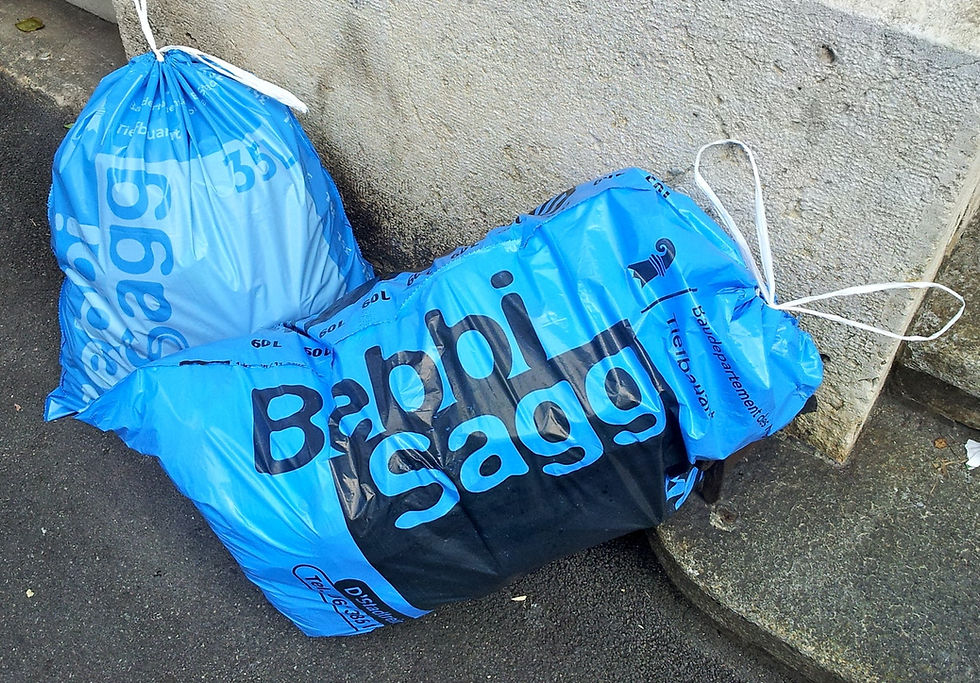
Getting involved is as easy as grabbing a Säckli (a bag). Aktion Pinguin has worked with the city to install dispensers with collection bags, primarily along the Rhein riverbank and near SBB station. The bags are available around the clock.
Step 1: Get a bag from the dispenser
Step 2: Collect waste with it
Step 3: Throw it in the nearest trash can
Step 4: Repeat 2 and 3 as long as you like
And already the city is a little cleaner!

The results are clearly visible: already the area along the Rhein and in front of SBB station has become much cleaner; this is also thanks to the city cleaning department's close cooperation with Aktion Pinguin.
Groups
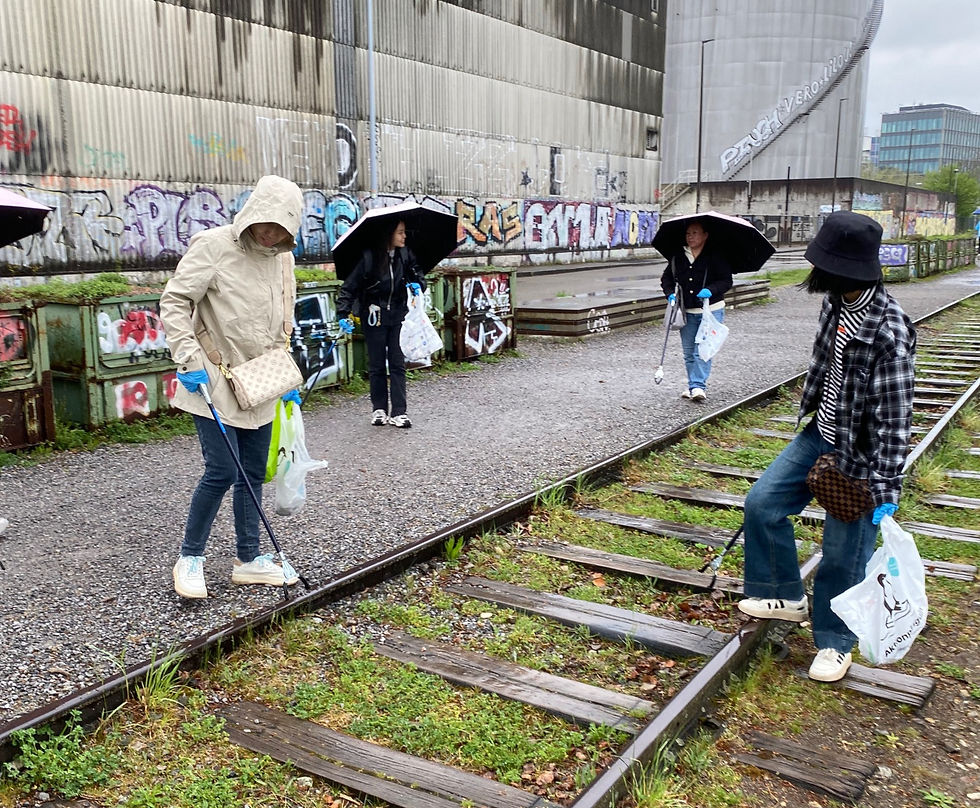
Everyone can do something to make their surroundings cleaner. By participating in a clean-up together with friends, colleagues, clubs, or your class, you can demonstrate your commitment to a clean Basel. Leading by example works. If someone sees another person picking up litter, they are 50 percent more likely to do the same (source: environmental psychology studies, e.g., by Cialdini). And we've found in our clean-ups that a third of participants later pick up litter more often in their everyday lives. We don't ask who's to blame; we simply do it, and the act itself is a personally satisfying experience.
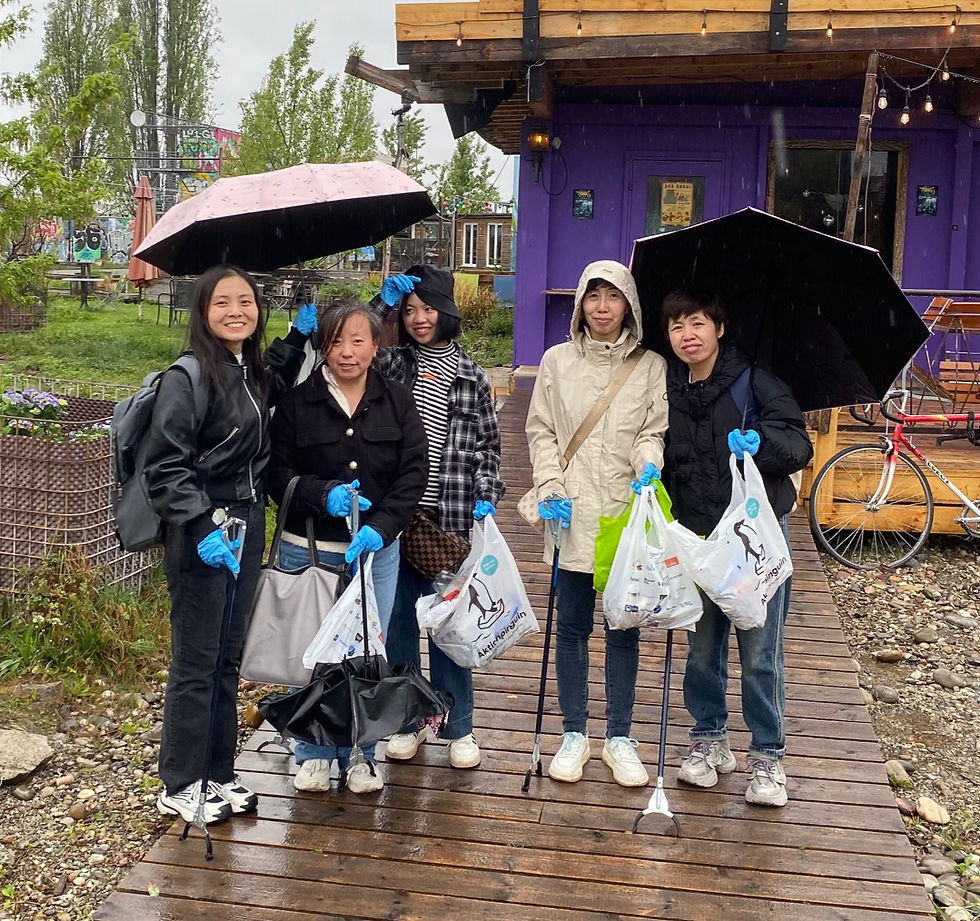
A clean- up can be easily organized with Aktion Pinguin's specially prepared backpack. It contains everything you need, such as bags, grabbers, gloves, a suggested route, and lots of information.
How it Works
You do the clean-up completely independently and without an accompanying person. But don't panic, we have everything prepared for you.
Book Online: Book here for your group so the backpack is ready for you
Equipment: Aktion Pinguin provides you with a backpack with all the necessary material
Pick Up: Pick up the backpack with everything you need at the Tourist Information (Steinenberg 14, 4051 Basel)
Duration: approx 4 hours
Route: Basel Innenstadt & Rhein: the route is planned for you
Recommended for groups up to max. 15 persons
Just do it, because trash creates trash and cleanliness brings joy.

Aktion Pinguin was founded in 2020 by Hans Peter Brugger. He swims in the Rhein almost daily and was annoyed by the litter along the banks. He took action himself, collecting trash, first alone, then with colleagues while jogging. As a next step, two dozen dispensers with collection bags were installed along the Rhein, allowing anyone to pick up litter at any time. They have since expanded to reach beyond the Rhein, including SBB train station and some schools. Aktion Pinguin is a private association of volunteers that also works closely with the city's sanitation department. Its members regularly organize clean- up events with various groups and companies. Aktion Pinguin also frequently participates in environmental initiatives in the border region.


Comments