
GGG Kurse: Practical German Learning
For over 200 years, the GGG Basel (Gesellschaft für das Gute und Gemeinnützige) has stood for education, integration, and cultural diversity. With its courses, the GGG offers a wide range of language and continuing education options that are accessible, affordable, relevant to everyday life, and free from exam pressure. The focus is on learning, understanding, and practical application — not on stress and grades.

These are ideal conditions for German learners: you can improve step by step without fear of making mistakes. The courses range from absolute beginner to advanced levels (A1–C2), both during the day and in the evening. At the same time, GGG courses are more than just a language school: they are part of Basel's educational tradition, committed to integration and creating a climate of community and belonging.
Learning German with Joy: Tips and Tricks

Those who decide to take a course at the GGG benefit not only from the lessons, but also from a learning environment that encourages joy and motivation. Here are a few tips to help you get the most out of your learning time:
Set yourself personal, positive goals
Instead of saying, “I mustn't make any mistakes,” tell yourself, “I want to be able to communicate better, make friends, and feel confident in everyday life.” A course without exam pressure is ideal for approaching learning with an open mind.
Perhaps you would like to:
make everyday tasks such as shopping, visiting the doctor, or dealing with the authorities easier
build friendships and get to know people
improve your relationships at work or in your studies
or simply enjoy life in Switzerland more consciously
Take Advantage of Community and Encounters
When learning a language it is important not only to learn the words but become part of a community. Learning together with other students — from different countries and with different backgrounds — is motivating and enriching. Through exchange, you realize that you are not alone; many others face similar challenges.
What's more, language comes alive through interaction — you'll learn best if you socialize after class, talk to others, and dare to make mistakes.
Keep at it — With Regularity
When learning a language it is important to have regular lessons, once or twice a week. This creates a good level of regularity without being overwhelming. The advantage: if you stick with it, you will notice progress after just a few weeks. It helps to establish a fixed learning routine. After the course it is also important to practice on a less formal basis, perhaps with tandem partners, friends, or regular practice in everyday life.
Be Curious: Discover Basel and its Language
Basel is not just a city, but a living space with history, culture, and people. When you learn, don't just learn grammar and vocabulary, but explore life: go to markets, restaurants, or cultural events, talk to people, listen.
And if you want, you can even learn the dialect later — Baseldeutsch. This is a wonderful bridge to everyday life in the region, to really 'being part of it.' And with a solid foundation in German, you'll be well prepared.
Ideas to Stay Motivated and Have Fun

To keep learning lively and fun, here are a few ideas on how you can give yourself wings:
Find learning partners — ideally those who speak German (or later Basel German) and want to practice together.
Connect language with everyday life: i.e. shopping in German, work, or studies — use everything as an opportunity to speak actively.
Make mistakes — and see them as an opportunity. In a course without exam pressure, mistakes are normal and necessary to improve.
Be patient with yourself. Everyone learns at their own pace — some need longer, others less time. The important things are practice, regularity, and enjoyment.
When you feel comfortable: take the plunge into Basel German — don't let standard German be your limit.
Baseldeutsch: Dialect as the Key to Integration
The GGG offers not only German courses, but also Baseldeutsch courses.
Why this can be interesting:
Dialect = identity. Speaking Basel German means being closer to the people, the culture, and everyday life. It can open doors — to neighbours, colleagues, and friends.
Suitability for everyday use. On the street, in cafés, and in everyday life, you often hear dialect — if you understand it and can join in the conversation, you will immediately feel more at home.
More self-confidence. The step from 'German learner' to active member of the community — with dialect — is often motivating and rewarding.
So when you start courses at GGG, think of it as a journey: first learn German, feel confident, then as a bonus: discover Baseldeutsch— and experience integration and belonging.
How to Get Started at GGG Kurse

Open Week (January 12 to 23, 2026)
Trial Lesson
Make use of this unique trial period! All participants are entitled to one or more trial lessons during the first two weeks of courses (January 12 to 23, 2026). You can go to any course you are interested in and decide on the spot whether you want to enrol or not. Your teacher will be pleased to advise you there about course content and materials. If you would like to try out an online course, please send a mail to info@ggg-kurse.ch. Your teacher will then send you a link to a trial lesson shortly before the first lesson.
Placement Tests
Online placement tests (German language only) for German, English, Italian, French, and Spanish can be found on the pages for those languages.
Registration and Fees
Registration is easy: by phone, email, or online via the GGG Kurse website. Courses usually start in January or August—and it is often possible to join in the middle of the semester.
GGG courses are affordable: the course fee for a semester with 17 lessons is CHF 260, and CHF 520 for an intensive course (34 lessons).
If you are in a difficult financial situation (e.g., as a student, trainee, with RAV status, as an au pair, etc.), a reduction in course fees may be possible upon application.
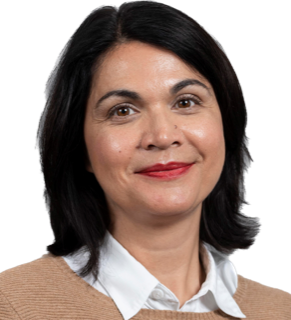
Maria Ferreira

Maria Ferreira has Spanish roots and was born in Switzerland. She specializes in adult education and teaches German and Spanish. She has been leading the GGG courses in Basel since June 2024. She lives with her family in the heart of Basel.
GGG Kurse: An Opportunity for Greater Integration
With GGG Kurse, you can learn German, improve your skills, and become more confident — step by step, at affordable prices, and without pressure. If you want, you can even take the exciting step of learning the local dialect: Baseldeutsch is the key to deeper integration — into everyday life, culture, and community.
Language is more than grammar or vocabulary. Language is connection, encounter, home. With GGG Kurse, you can go down this path — with joy, openness, and perspective.
January 2026 Course Catalogue (in German)
Course Locations:
Eisengasse 5, 4051 Basel (WEPF)
De Wette-Schule, De Wette-Strasse 7, 4051 Basel (DWS)
Gymnasiums, Kirschgarten, De Wette-Strasse 7, 4051 Basel


Comments